
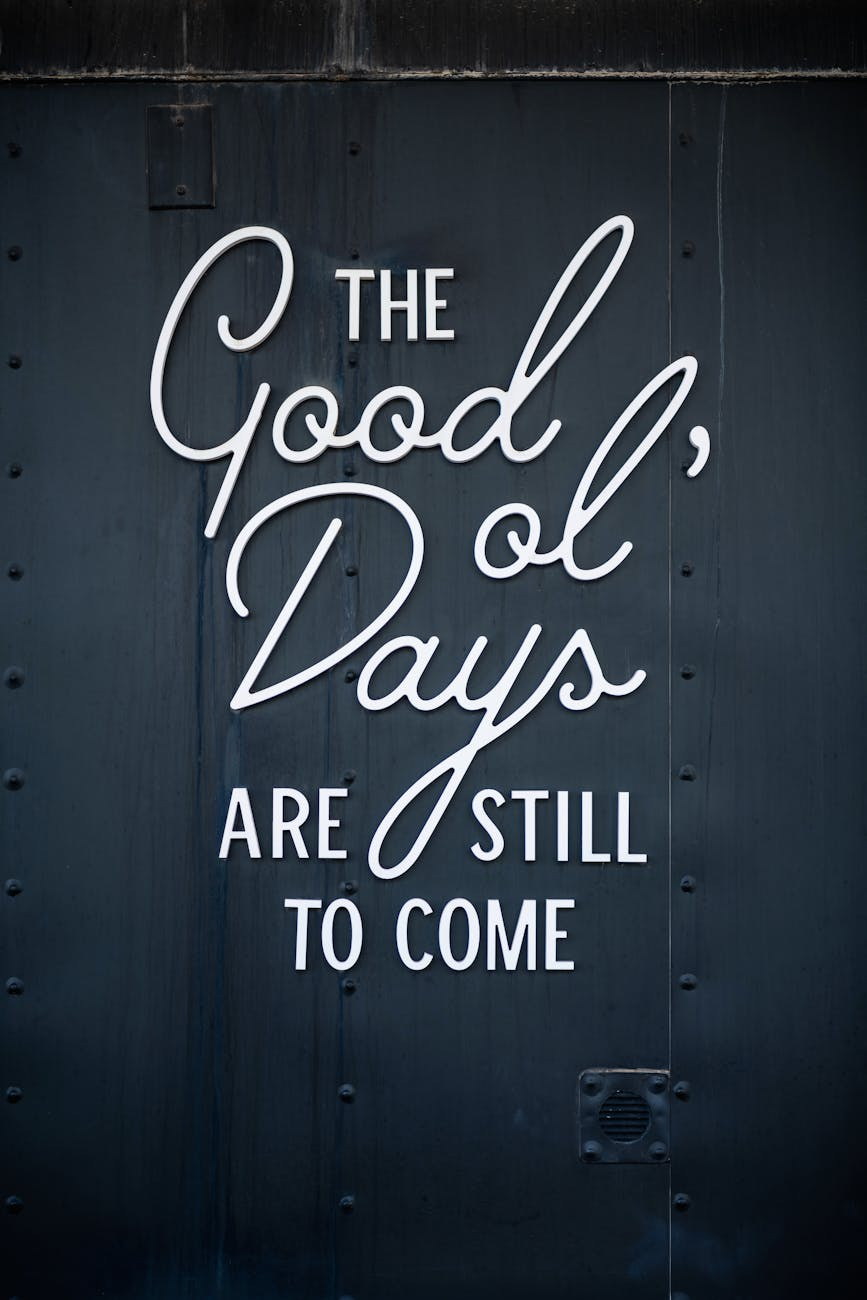
I’ll be the first to admit it, nostalgia is comforting. There is something soothing about remembering a time when gas was cheap, phones were attached to walls, and nobody expected you to learn a new app just to read a restaurant menu. In retirement, memories can feel like old friends, always available, never judgmental, and happy to remind us who we used to be. The problem starts when those memories quietly take over the present.
Many retirees don’t realize they are spending more time living in the past than engaging with the life they still have ahead of them. It doesn’t happen overnight. It starts with harmless reminiscing and slowly turns into comparisons, complaints, and a feeling that “things just aren’t what they used to be,” which is technically true but also completely unhelpful.
Retirement is supposed to be a chapter, not an epilogue. When we get stuck in the old days, we risk turning what could be a fulfilling phase of life into a long rerun of stories we’ve already told a hundred times, usually to people who were not even born yet.
The Comfort Trap of Nostalgia in Retirement
Nostalgia feels good because it offers certainty. The past is familiar, predictable, and already survived. In psychology, this is known as a coping mechanism, especially during times of transition. Retirement is one of the biggest transitions we face, and it makes sense that the mind reaches backward when the future feels less defined.
The danger is that nostalgia can quietly turn into avoidance. Instead of learning new skills, building new routines, or forming new relationships, it becomes easier to say, “Back in my day, things made sense.” I’ve heard retirees say this while holding a smartphone more powerful than the computers that sent astronauts to the moon.
Living too much in the past can also distort reality. The “good old days” were not perfect, they just had fewer wrinkles, fewer joint replacements, and fewer responsibilities we remember clearly. When we romanticize the past, we often forget the stress, the financial pressure, and the exhaustion that came with it.
Identity Loss and the Pull of the Past
One reason retirees cling to the past is identity. For decades, our sense of self was tied to what we did, who needed us, and how productive we were. When the job ends, the title disappears, and the daily structure vanishes, the mind naturally goes searching for solid ground.
The past provides that ground. It says, “This is who you were, and it worked.” The trouble is that identity built solely on who you were leaves no room for who you are becoming.
I’ve met retirees who introduce themselves by what they used to do before mentioning anything about what they enjoy now. That’s a subtle sign that the past is doing more emotional work than it should. Retirement does not erase your history, but it does invite you to update your identity.
A healthier approach is to see retirement as a continuation rather than a conclusion. You are still a learner, a contributor, and a person capable of growth. Even if your knees disagree with that last part.
How “Back Then” Thinking Limits Enjoyment Today
One of the most common phrases I hear from retirees is, “Things were better back then.” Sometimes they were, sometimes they weren’t, but repeating that phrase has consequences.
When everything new is measured against an idealized past, it almost always falls short. Music is worse, kids are lazier, technology is confusing, and nobody knows how to have a conversation anymore. This mindset slowly shrinks the world and turns curiosity into criticism.
Psychologically, this kind of thinking can increase feelings of frustration, loneliness, and even mild depression. When retirees feel disconnected from the present culture, they often withdraw, which reduces social engagement, mental stimulation, and overall life satisfaction.
Enjoyment in retirement comes from participation, not comparison. You don’t have to love everything about modern life, but dismissing it entirely cuts you off from opportunities to connect with others, especially younger generations who could benefit from your experience and perspective.
Technology Resistance and the Past as a Safety Blanket
Technology is one of the biggest battlegrounds between past and present. Many retirees see modern tech as unnecessary, intrusive, or designed specifically to make them feel incompetent. While some of that may be true, avoiding technology entirely often reinforces a sense of being left behind.
The past didn’t require passwords, updates, or two-factor authentication, which is admittedly appealing. But the present offers video calls with grandchildren, online learning, telehealth appointments, and communities built around shared interests.
Refusing to engage with technology because “we never needed it before” can quietly limit independence. It can also increase reliance on others for tasks that could be easily managed with a little patience and practice.
Learning something new in retirement is not about keeping up with the kids. It’s about keeping your brain engaged, your confidence intact, and your options open.
Social Circles That Shrink Around Shared Memories
Another way retirees get stuck in the past is through social circles built entirely around shared history. Old coworkers, old neighbors, and old friends are valuable connections, but if every conversation revolves around how things used to be, social growth stalls.
Healthy social engagement includes a mix of familiarity and novelty. When retirees stop meeting new people or trying new activities, social life can become repetitive and stagnant. The same stories get told, the same complaints resurface, and eventually, even good company can feel draining.
Expanding social circles does not mean abandoning old friends. It means adding layers to your life. Volunteering, community classes, hobby groups, or part-time work can introduce fresh perspectives that challenge the idea that everything worthwhile already happened.
Health Habits That Haven’t Evolved With Age
Some retirees stay stuck in old health habits because “that’s how we always did it.” Diets, exercise routines, sleep patterns, and even attitudes toward mental health have changed dramatically over the years, for good reason.
Ignoring new health information because it conflicts with long-held beliefs can impact quality of life. Just because something worked at forty does not mean it works at seventy. The body changes, recovery slows, and different approaches become necessary.
This doesn’t mean chasing every new health trend. It means staying open to updated information, modern medical advice, and strategies designed specifically for aging bodies. Flexibility is a form of self-care.
Financial Thinking Frozen in Another Era
Financial habits formed decades ago can also keep retirees stuck in the past. Some people remain overly conservative because markets were volatile during a formative experience. Others cling to outdated ideas about debt, investing, or income because “that’s how my parents did it.”
Retirement finance today is more complex than it was in previous generations. Longevity, healthcare costs, inflation, and tax strategies require ongoing attention. Living financially in the past can lead to unnecessary anxiety or missed opportunities to improve cash flow and security.
Staying informed does not mean becoming obsessed with money. It means recognizing that retirement is not static. Financial plans should evolve just as lifestyles do.
Letting Go Without Losing Yourself
Moving forward does not mean erasing the past. Your experiences, values, and memories are assets, not baggage. The goal is integration, not replacement.
One helpful mental shift is asking, “How can I use what I know to enrich what I’m doing now?” Wisdom gained from decades of living becomes powerful when applied to current challenges and opportunities.
Another approach is intentional novelty. Trying something new on purpose, even if it feels uncomfortable at first, keeps the mind flexible. It could be as simple as learning a new recipe, taking a class, or visiting a place you’ve never been.
Curiosity is the antidote to stagnation. It reminds us that life is still unfolding.
Reframing the Meaning of the “Old Days”
Instead of viewing the old days as a standard the present must meet, it helps to see them as a foundation. They shaped you, prepared you, and gave you stories worth telling, but they are not the only source of meaning.
Retirement can be deeply enjoyable when it becomes a time of reinvention rather than reflection alone. The present deserves your attention, your energy, and your participation.
I often remind myself that someday, I might look back on today as the good old days. That thought changes how I treat this moment. It encourages me to stay engaged, open, and willing to grow, even when change feels inconvenient or confusing.
Choosing Presence Over Comparison in Retirement
The happiest retirees I know are not the ones who deny the past, but the ones who refuse to live in it. They tell their stories, laugh at their memories, and then show up fully for what’s happening now.
Retirement is not about clinging to what was or resisting what is. It’s about using everything you’ve learned to build a life that still feels meaningful, connected, and alive.
The old days had their place. So does today. And if we’re lucky, tomorrow might surprise us too, even if it comes with another password to remember.
If you ever find yourself saying, “They don’t do it like they used to,” take a breath and ask whether that’s a complaint or an invitation. Retirement has room for both wisdom and wonder, and it’s never too late to make space for something new.
Don’t wait until it’s too late, get your financial house in order today!
Happy retirement planning!
Leave a Reply