
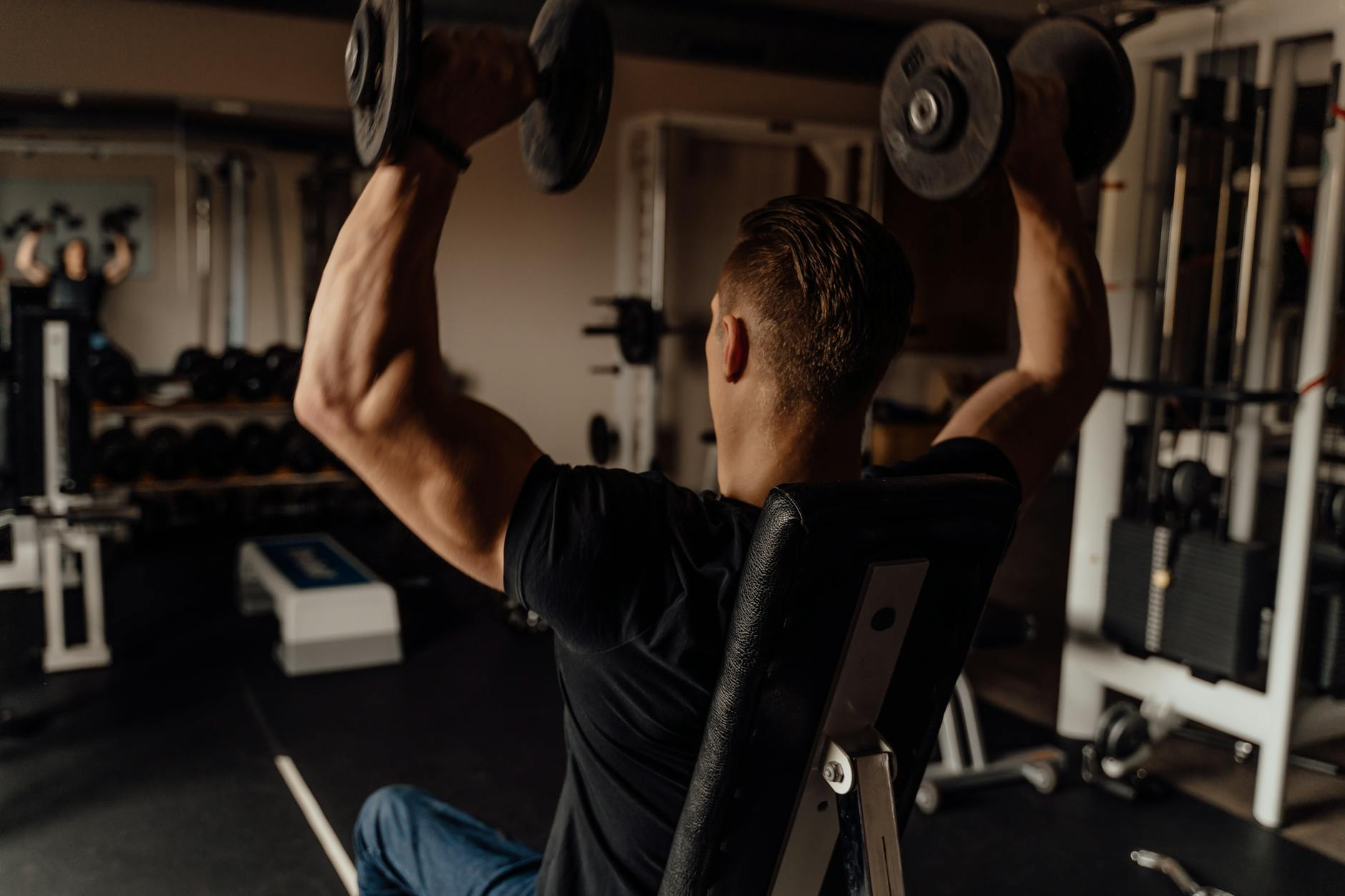
I used to think of physical strength and financial strength as two completely separate worlds. One belonged in the gym, the other in a spreadsheet. Then I started noticing a pattern that I could not ignore. The retirees who stayed physically strong also seemed to stay financially stable longer. Not just a little longer, but meaningfully longer. Could there be a link?
At first, I chalked it up to coincidence. Then I dug deeper. What I found changed how I think about retirement planning entirely. If you want your money to last, you cannot ignore your body. The mind and body are tied together in ways that most people never consider.
Let me walk you through what I have learned, because this connection might be one of the most overlooked advantages you can give yourself in retirement.
Strength Extends Your Financial Runway
When people talk about retirement risk, they usually focus on market crashes, inflation, or withdrawal rates. Those matter. But there is another risk that quietly drains portfolios every single day, physical decline.
When your strength drops, your costs can start to rise. It happens gradually, so most people do not notice until it is already expensive.
You start needing more help. Maybe it is someone to carry groceries. Then it is help around the house. Eventually, it can turn into paid assistance or even long-term care. According to industry estimates, assisted living can easily run $4,000 to $7,000 per month, and full care can go much higher.
Now flip that around. If you stay physically strong, you delay or avoid many of those costs. You stay independent longer. You handle your own daily tasks. You reduce your reliance on paid help.
That is not just a health benefit. That is a direct extension of your net worth.
Muscle Is a Financial Asset
This might sound strange, but I now think of muscle as an asset class. Not in the traditional sense, but in terms of its impact on your financial life.
Muscle helps you maintain balance, mobility, and endurance. That reduces your risk of falls, which are one of the leading causes of injury among retirees. A single fall can trigger a chain reaction of medical bills, rehabilitation costs, and long-term care needs.
Strong people fall less. And when they do fall, they recover faster.
That means fewer hospital visits, fewer medical bills, and less strain on your savings.
I once met a retiree in his seventies who told me, “My gym membership is the best insurance policy I own.” At the time, I laughed. Now I understand exactly what he meant.
The Compounding Effect of Health
We all understand compounding when it comes to money. Small gains build over time into something significant. The same concept applies to your body.
If you maintain strength, you stay active. If you stay active, you maintain mobility. If you maintain mobility, you stay independent. And if you stay independent, your expenses stay lower.
Each of those steps reinforces the next.
On the flip side, weakness compounds in the opposite direction. A small decline leads to less activity. Less activity leads to more decline. That often leads to higher medical costs and lifestyle limitations.
This is not theoretical. Studies have shown that grip strength alone is a strong predictor of overall health and mortality. That means something as simple as how firmly you can hold an object is tied to how long and how well you live.
And if you live longer in good health, your financial plan works better. Your withdrawals stay predictable, and emergency expenses stay lower. Your portfolio lasts longer.
Strength Protects Against Emotional Spending
Here is something people rarely talk about. Physical weakness can lead to emotional vulnerability, and that can show up in your financial decisions.
When you feel fragile, you are more likely to seek comfort. Sometimes that comfort comes in the form of spending. It could be unnecessary services, impulse purchases, or even financial decisions driven by fear.
On the other hand, when you feel physically strong, you tend to feel more in control. That confidence carries over into how you manage your money.
You are less likely to panic during market downturns, and are more likely to stick to your plan. You make decisions from a position of strength, not fear.
I have seen this play out more times than I can count. The retirees who stay active and strong tend to have a steadier hand with their finances.
Lower Healthcare Costs, Higher Peace of Mind
Healthcare is one of the biggest wild cards in retirement. It is also one of the areas where physical strength can make a real difference.
Regular strength training has been linked to lower rates of chronic conditions such as type 2 diabetes, heart disease, and osteoporosis. Managing these conditions can be expensive, both in terms of money and quality of life.
When you reduce your risk, you reduce your costs. Fewer medications, fewer doctor visits, fewer procedures.
Even if you still face health issues, being stronger often means better outcomes and better recovery from surgeries. You tolerate treatments better and maintain a higher level of independence.
That translates into lower overall expenses and less disruption to your financial plan.
Strength Keeps You Engaged, and That Has Financial Benefits
One of the biggest surprises for me was how physical strength influences social and mental engagement.
When you feel strong, you are more likely to leave the house and meet people. You stay involved in activities and might even take on part time work or volunteer roles.
All of that has indirect financial benefits.
Socially engaged retirees tend to have better mental health. That reduces the risk of depression, which can lead to costly health issues and poor financial decisions.
Staying active also opens the door to earning opportunities. Even a modest income stream can reduce the pressure on your portfolio. It can extend the life of your savings by years.
I have met retirees who fund their hobbies through small side gigs. They do not need the money, but it gives them purpose and a financial cushion.
And it all starts with having the physical capacity to show up and participate.
The Psychology of Physical Strength and Control
There is a psychological component here that I find fascinating.
When you build strength, you see progress. Probably lift a little more, and move a little better. You feel a sense of control over your body.
That sense of control spills over into other areas of life, including your finances.
Retirement can sometimes feel like a loss of control. You are no longer earning a paycheck. You are relying on savings. That can create anxiety.
Strength training gives you a counterbalance. It gives you something you can control and improve. That confidence can reduce financial anxiety and help you make clearer decisions.
It is hard to panic about your portfolio when you just finished a solid workout and feel like you can take on the world.
Practical Ways to Build Strength in Retirement
Now let us get practical. You do not need to become a bodybuilder to see these benefits. You just need to be consistent.
Start with simple resistance exercises. Bodyweight movements like squats, pushups, and lunges are a great foundation. If you prefer, use resistance bands or light weights.
Focus on major muscle groups. Legs, core, and upper body all matter. Strong legs, in particular, are critical for maintaining mobility and preventing falls.
Aim for two to three sessions per week. Keep it manageable. The goal is consistency, not intensity.
If you are new to strength training, consider working with a trainer for a few sessions. It is an investment, but it can prevent injuries and set you up with a solid routine.
And yes, I know what you might be thinking. “I am retired, I earned the right to relax.” I agree. But staying strong is what allows you to truly enjoy that relaxation.
Nutrition Matters More Than You Think
You cannot build or maintain strength without proper nutrition. Protein intake becomes especially important as you age.
Many retirees do not eat enough protein. That makes it harder to maintain muscle mass, even if you are exercising.
Aim to include a source of protein with each meal. Lean meats, fish, eggs, dairy, beans, and nuts are all good options.
Stay hydrated. Pay attention to vitamin intake, especially vitamin D and calcium for bone health.
This does not have to be complicated. Simple, balanced meals go a long way.
Rest and Recovery Are Part of the Plan
Here is something that often gets overlooked. Recovery is just as important as the workout itself.
Your body needs time to repair and rebuild. That is how you get stronger.
Make sure you are getting enough sleep. Manage stress. Listen to your body.
If something feels off, address it early. Small issues can turn into bigger problems if ignored.
Taking care of your body is not about pushing harder. It is about being consistent and smart.
A New Way to Think About Retirement Planning
Most retirement plans focus on numbers. How much you have, how much you spend, how long it will last.
Those are important. But they are only part of the picture.
Your physical strength plays a direct role in how those numbers play out. It influences your expenses, your lifestyle, and your overall quality of life.
If you ignore your health, you are leaving a major variable unmanaged.
I now see strength training as part of financial planning. It sits right alongside asset allocation and withdrawal strategies.
It might not show up on your balance sheet, but it shows up in your outcomes.
The Bottom Line
If you want your net worth to last, take care of your body. Build strength. Maintain it. Protect it.
You do not need perfection. You just need consistency.
Think of every workout as a small deposit into your future. Not just your health, but your financial security.
And if you ever find yourself debating whether to skip a workout, remember this. You are not just choosing between exercise and rest. You are choosing between a longer, more independent retirement and a shorter, more expensive one.
That is a trade worth thinking about.
Don’t wait until it’s too late, get your financial house in order today!
Happy retirement planning!
Leave a Reply