
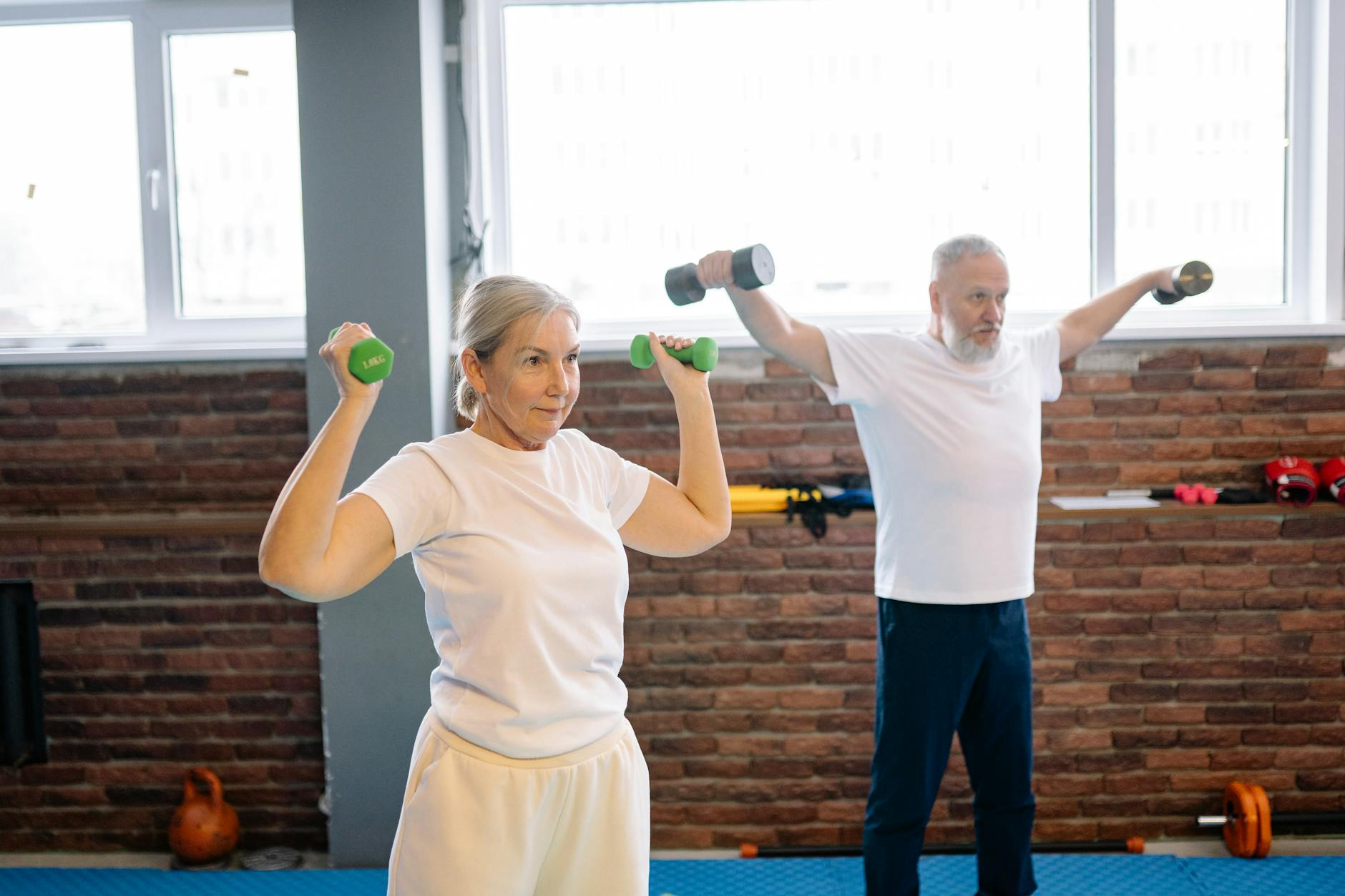
When I talk to retirees about improving their quality of life, I usually hear about diet, walking, or finally getting eight hours of sleep. All those things matter, of course. But if I had to choose one habit that delivers the biggest return on investment, it is strength training after 65.
Not jogging. Not pickleball. Not supplements with labels I can’t pronounce, strength training.
I say that as someone who studies retirement planning, health research, and human behavior. I also say it as someone who plans to enjoy every decade ahead. If you want your retirement to feel active, independent, and confident, you need muscle. And after 65, building and preserving muscle is not optional. It is essential.
The Science of Muscle Loss After 65
Starting around age 30, we lose muscle mass slowly each year. After 60, the decline accelerates. This age related muscle loss is called sarcopenia. By the time many people reach 70 or 80, they have lost 20 to 40 percent of their peak muscle mass.
Less muscle means less strength. Less strength means less balance. Less balance means more falls. According to the Centers for Disease Control and Prevention, falls are a leading cause of injury and death in older adults. One bad fall can change the entire trajectory of retirement.
Muscle also drives metabolism. When you lose muscle, your resting calorie burn drops. That makes weight gain easier, blood sugar harder to control, and inflammation more likely. Muscle tissue acts like a glucose sponge. When you lift weights, your muscles pull sugar out of the bloodstream. That improves insulin sensitivity and lowers the risk of type 2 diabetes.
From a financial perspective, strength training may be one of the cheapest ways to reduce future medical costs. Fewer falls. Fewer fractures. Better metabolic health. Fewer medications. I cannot think of many investments that pay dividends in mobility, independence, and healthcare savings at the same time.
Why Strength Training Beats Cardio After 65
I like walking. I like being outdoors. Cardio supports heart health and mood. But after 65, cardio alone is not enough.
Cardio trains your heart and lungs. Strength training trains your muscles, bones, tendons, and nervous system. When you lift weights, you stimulate bone density. That matters because osteoporosis risk rises sharply with age. Mechanical load tells your bones to stay strong.
You also train your nervous system to recruit muscle fibers more efficiently. That translates into better reaction time. When you trip on a curb, you need strength and coordination to recover. Cardio does not prepare you for that moment.
Strength training also improves posture. Many retirees develop rounded shoulders and forward leaning head posture from years at a desk. Weak back and core muscles contribute to chronic pain. I have seen people reduce back and knee pain simply by strengthening their glutes, hamstrings, and upper back.
If you want to carry groceries without thinking about it, climb stairs without grabbing the railing, or lift a grandchild without hesitation, you need strength. Not breathless endurance. Real strength.
Strength Training and Brain Health in Retirement
One of the most overlooked benefits of strength training after 65 is cognitive health.
Research shows that resistance training supports executive function, memory, and processing speed. Lifting weights increases blood flow to the brain and stimulates growth factors such as BDNF, brain derived neurotrophic factor. That supports neuron health and plasticity.
We often talk about doing crossword puzzles to protect the brain. That is fine. But lifting weights challenges coordination, balance, and motor learning. That is complex brain work. When you learn a new movement pattern, your brain forms new connections.
There is also a powerful psychological effect. When I see someone in their seventies increase their squat weight or perform their first full push up in decades, I see confidence rise. That confidence spills into other areas of life. Retirement can sometimes shrink a person’s world. Strength training expands it.
The Hormonal Edge, Strength Training After 65
After 65, hormone levels such as testosterone and growth hormone decline. That contributes to muscle loss, fat gain, and reduced vitality.
Strength training stimulates natural hormone production. It does not turn you into a bodybuilder, but it does send a strong signal to your body that you are still active and capable. That signal matters.
I often tell retirees that the body responds to demand. If you ask nothing of it, it adapts downward. If you ask it to lift, push, pull, and carry, it adapts upward within reason.
You do not need to lift extreme weights. You need progressive resistance. That means gradually challenging your muscles over time. The body responds at any age. I have seen people in their eighties gain measurable strength in a few months.
Building a Strength Training Routine After 65
When people hear strength training, they imagine heavy barbells and loud gyms. That image stops many retirees before they begin.
You can start with bodyweight exercises at home. Sit to stand from a chair. Wall push ups. Step ups on a stair. Light dumbbells. Resistance bands. The goal is to work major muscle groups at least two to three times per week. Check out Youtube.com for a million workout videos for retirees!
I focus on compound movements. Squats or sit to stand for legs. Rows for upper back. Presses for chest and shoulders. Deadlift exercise patterns for hips. Core work for stability.
The key is progression. If an exercise feels easy for 12 to 15 repetitions, increase the resistance slightly. You should feel challenged by the last few reps while maintaining good form.
I always recommend consulting a physician before starting, especially if there are existing medical conditions. Many retirees have joint replacements or cardiovascular concerns. A qualified trainer who understands older adults can help design a safe program.
Recovery also matters. Muscles grow and adapt during rest. Adequate protein intake supports that process. Most older adults under consume protein. Aim for around 1.0 to 1.2 grams of protein per kilogram of body weight daily, unless your doctor advises otherwise.
Overcoming Fear and Inertia
The biggest barrier I see is not physical. It is psychological.
Many retirees believe they are too old to start. That belief is false. Age does not eliminate adaptation. It may slow it slightly, but the response remains.
Others fear injury. Ironically, avoiding strength training increases injury risk in daily life. Properly supervised resistance training strengthens connective tissue and improves joint stability.
I remind people that discomfort is not the same as danger. Mild muscle soreness after a new workout is normal. Sharp pain in a joint is not. Learn the difference. Listen to your body, but do not let it negotiate you out of effort.
There is also a mindset shift. In retirement, there are fewer external deadlines. No boss. No commute. That freedom can drift into physical passivity. I schedule strength training sessions like important appointments. Because they are.
Financial Health and Physical Strength
As someone who thinks about retirement planning, I see strength training as a hedge against long term care costs. Frailty is expensive. Independence is valuable.
If strength training reduces your risk of falls, fractures, and disability, it protects your portfolio indirectly. Healthcare expenses can erode savings quickly. Maintaining physical capacity lowers that risk.
I do not frame exercise as vanity. I frame it as asset protection. Your body is your primary asset in retirement. Without it, travel plans, hobbies, and social events become harder.
The Social and Emotional Upside
Many retirees struggle with identity loss. Work provided structure, social interaction, and goals. Strength training can fill part of that gap.
A gym or fitness class creates community. Shared effort builds connection. Even training at home creates measurable goals. Add five pounds. Improve balance. Increase repetitions.
Progress feels good at any age. In a stage of life where many things feel like decline, visible improvement is powerful.
I have watched people light up when they realize they are stronger at 72 than they were at 65. That realization changes self perception. It shifts the narrative from aging as decay to aging as adaptation.
How to Start Today
If you are 65 or older and not strength training, start small. Two sessions per week. Twenty to thirty minutes. Focus on form. Breathe steadily. Move through a comfortable range of motion.
Track what you do. Write down exercises, weights, and repetitions. Progress creates motivation. Motivation rarely creates progress on its own.
Pair strength training with adequate sleep and protein. Make sure to hydrate. Warm up gently before lifting. Cool down after.
Most important, commit to consistency. Results compound over months and years. I do not look for dramatic transformation in four weeks. I look for steady improvement over a year.
Retirement is not about slowing down by default. It is about choosing how you spend your energy. Strength training gives you more energy to spend.
If you want to travel without worrying about stairs, play with grandchildren without back pain, and reduce your risk of becoming dependent on others, build muscle.
After 65, strength training is not a hobby. It is a strategy. It supports your health, your confidence, your finances, and your freedom.
I can’t control the markets, nor can I control interest rates or inflation. But I can control whether I pick up some weights and challenge my body.
That daily decision shapes the quality of my retirement more than almost anything else.
Don’t wait until it’s too late, get your financial house in order today!
Happy retirement planning!
Leave a Reply