
I’ll be honest with you, once I retired, I thought I’d be sipping iced tea on a beach every other week (we live in Florida already) like some carefree travel influencer who only owns sandals and linen shirts. Then I priced out a seven-day vacation in the Bahamas and realized that unless I planned smarter, I’d be sipping that iced tea at home, on my porch, while staring at a photo of a beach on my tablet. Retirement gives us the gift of time, which is something we spent decades dreaming about. But travel costs have a sneaky way of turning that dream into a gulp-and-grimace moment if we’re not careful.
Over the years, I’ve learned that traveling well in retirement is entirely possible, even on a modest budget, but it does require a little strategy, some insider tricks, and a willingness to laugh at the absurdity of modern travel pricing. So let me walk you through the mindset and habits that have helped me save money on vacations while still making priceless memories.
Learn to be flexible
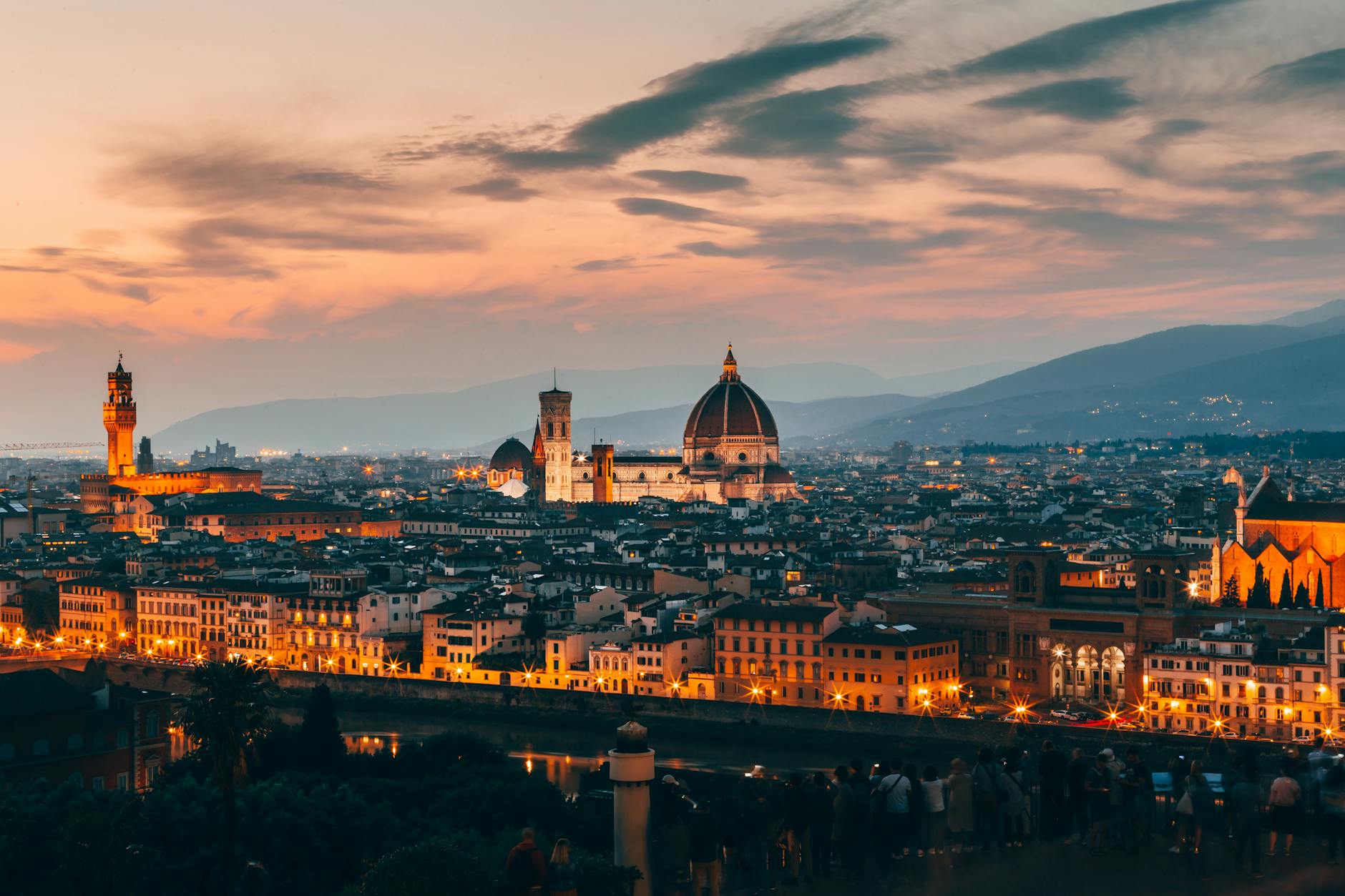
The first thing I realized when we started traveling in retirement is that flexibility is my new superpower. When I was working, my travel window looked like a toddler’s coloring book, all scribbles and restrictions. Now I can look at dates with the freedom of a bird migrating at its own leisure. That flexibility instantly saves money, because traveling during off-peak seasons can cut costs dramatically. I once shifted a trip to Italy by two weeks and saved so much on airfare I felt like I’d accidentally committed legal theft.
Airlines and hotels practically throw discounts your way when you travel during slower times. Not only do you save money, you also enjoy fewer crowds, which means shorter lines, more relaxed experiences, and a lower chance of being run over by someone’s suitcase with wheels that seem to have a mind of their own.
Another way I stretch my travel budget is by letting the deals guide me instead of picking a destination first. I used to say things like, “I want to go to Maui,” then faint after seeing flight prices. Now I browse deals first, then decide where I want to go based on what makes the most financial sense. This approach has taken me to places I never expected. I once ended up in Portugal for less than what a flight to Florida would have cost me. And let me tell you, sipping coffee in Lisbon while saving money tastes even better than sipping coffee at home. There are plenty of websites and apps that track fare drops and last-minute discounts, and checking them regularly helps me feel like a travel detective. Retirement gives us the luxury of spontaneity, even if that spontaneity comes with an extra cardigan in the suitcase just in case.
One of my favorite vacation money savers, though not always the most glamorous one, is staying in accommodations that offer kitchenettes. I know, that sounds suspiciously like “cooking,” which is the exact opposite of what many of us want to do on vacation. But hear me out. I’m not talking about roasting a turkey or recreating a Thanksgiving dinner in a tiny rental kitchen with mismatched pans. I’m talking about making simple breakfasts, easy snacks, or even deli-counter dinners.
Eating out three times a day is like asking your wallet to do push-ups with a fifty pound plate on its back. It adds up fast. If I eat one or two meals in my room, I can splurge on one really nice dinner out without even feeling guilty. Plus I don’t have to wait in long restaurant lines with other hungry tourists who look like they might start gnawing on the menu.
Be smart about food and drinks
Speaking of food, I always bring snacks for travel days. I refuse to pay eight dollars for a bag of pretzels at the airport. There is something deeply offensive about that price. So I pack a few things from home and glide past the airport kiosks with the confidence of someone who has made wiser decisions than the person in front of me buying a bottled water that costs more than a small mortgage payment. Snacks also come in handy on excursions, long walks, or days when I explore a town that seems to have nothing but gourmet restaurants with prices that require a second glance to make sure I’m not hallucinating.
Transportation costs used to be another area where I overspent without noticing. Renting a car is convenient, but it can also eat up the budget faster than a slot machine on a bad day. These days I compare the cost of rental cars, public transportation, rideshares, and even walking routes before I arrive. In many destinations, especially abroad, public transportation is not only cheaper, it’s incredibly efficient. I once rode trains all over Switzerland for the price of what two tanks of gas would have cost in the U.S.
The best part was that I didn’t have to navigate winding mountain roads while praying I wasn’t drifting into oncoming traffic. In cities where everything is walkable, I skip the car entirely and consider the extra steps to be part of my fitness routine. I tell myself it offsets the gelato I fully plan to consume.
Don’t forget to use loyalty programs
Another travel money saver I swear by is joining loyalty programs, even the free ones. I used to think these programs were only for frequent flyers, people who lived in airports and always looked slightly exhausted. But even a few trips a year can rack up enough points for perks like free nights, room upgrades, late checkouts, and discounted flights. I’m not ashamed to admit that I’ve become something of a points enthusiast. There is a special kind of joy in handing over a card or entering a number online and watching the price drop. Some loyalty programs even offer member-only deals that make a noticeable difference. The key is to stick to just a couple of programs so points accumulate faster. I learned that the hard way when I ended up with tiny amounts of points scattered across ten different airlines, none of which were enough to redeem for anything other than the satisfaction of knowing I had them.
Should I spring for the travel insurance?
Travel insurance is another overlooked area, and while it may sound counterintuitive to spend money on something in a post about saving money, it can actually protect your budget in the long run. As I’ve gotten older, I’ve become more aware that unexpected events are a part of life. When a medical issue or weather emergency interrupts a trip, the financial losses can be much more painful than the cost of simple coverage. I don’t overpay for insurance, but I pick plans that cover the parts that matter most. It gives me peace of mind, and peace of mind is priceless, especially when traveling somewhere unfamiliar.
One of the most enjoyable ways I save money on vacation is by slowing down. Travel doesn’t have to be a race to cram every possible sight and activity into a single week. When I slow my pace, I naturally spend less. I stop trying to visit three museums, two tours, and a historical monument before lunch. Instead I wander neighborhoods, sit in parks, talk to locals, and enjoy the atmosphere. Not only do I save money on entrance fees and transportation, I come home feeling more relaxed rather than needing a vacation from my vacation. Slowing down also allows for more meaningful experiences, which is something I appreciate more in retirement. As I’ve gotten older, I’ve realized the best parts of travel are often the quiet moments, not the long lines outside a popular tourist attraction.
Stay off the beaten path if possible
Another tip I’ve learned is to embrace destinations that aren’t currently trendy. The more a place goes viral online, the more its prices rise. I’ve found incredible deals in countries and cities that aren’t plastered all over travel magazines. These hidden gems offer beautiful scenery, rich history, and delicious food at prices that don’t cause immediate heartburn. I’ve stayed in charming European towns where a full dinner cost less than a lunch back home. I’ve visited beaches that were just as stunning as the famous ones, except they weren’t packed with crowds. And I’ve explored national parks that didn’t require a reservation system or a battle plan.
One thing I encourage every retiree to do is set a travel budget before planning the trip. I used to wing it and figure everything would somehow work out, the same way I assumed I’d remember where I parked the car in the grocery store lot. Spoiler, it didn’t always work out. Now I set a budget that feels comfortable and I plan the trip around it. It is far easier to stick to a budget when there are clear guidelines than it is to try to tame the expenses after the trip is already in motion. I also leave a little room for spontaneous indulgences because some opportunities are too good to pass up. I once stumbled upon a boat tour at sunset that wasn’t in the budget, but it turned out to be one of the highlights of the entire trip. A budget shouldn’t feel like a straitjacket, it should feel like a helpful friend reminding you not to spend your entire savings on souvenir T-shirts.
In retirement, I travel differently than I did in my younger years, and that shift has helped me save money while getting more out of each trip. I put more value on experiences that don’t cost anything, like sunrises, quiet walks, local markets, and moments of reflection. And I’m wiser about where the travel industry tends to sneak in extra charges. I don’t fall for the trap of overpriced tours that offer less than what a self-guided walk can provide. I’ve learned to check resort fees before booking, to say no to unnecessary add-ons, and to question whether I really need that “VIP” experience or if it’s just a fancy name for something that isn’t worth the cost.
Saving money on vacation as a retiree isn’t about being cheap, it’s about being smart. It’s about stretching your dollars so you can enjoy more experiences without sacrificing comfort or joy. When I’m thoughtful about how I plan and spend, I find that I can travel more often and with less stress. And isn’t that the whole point of traveling in retirement, to enjoy ourselves, explore new places, and live fully without financial worry?
So the next time you plan a trip, give yourself credit. You’ve already mastered decades of working, raising families, managing finances, and navigating the ups and downs of life. Saving money on vacation is easy compared to all that. With a little planning, a little curiosity, and a willingness to try things differently, you can turn every trip into a memorable adventure that respects your budget and enriches your retirement. And if you happen to come home with a fridge magnet or two, that’s just a bonus.
Don’t wait until it’s too late, get your financial house in order today!
Happy retirement planning!