
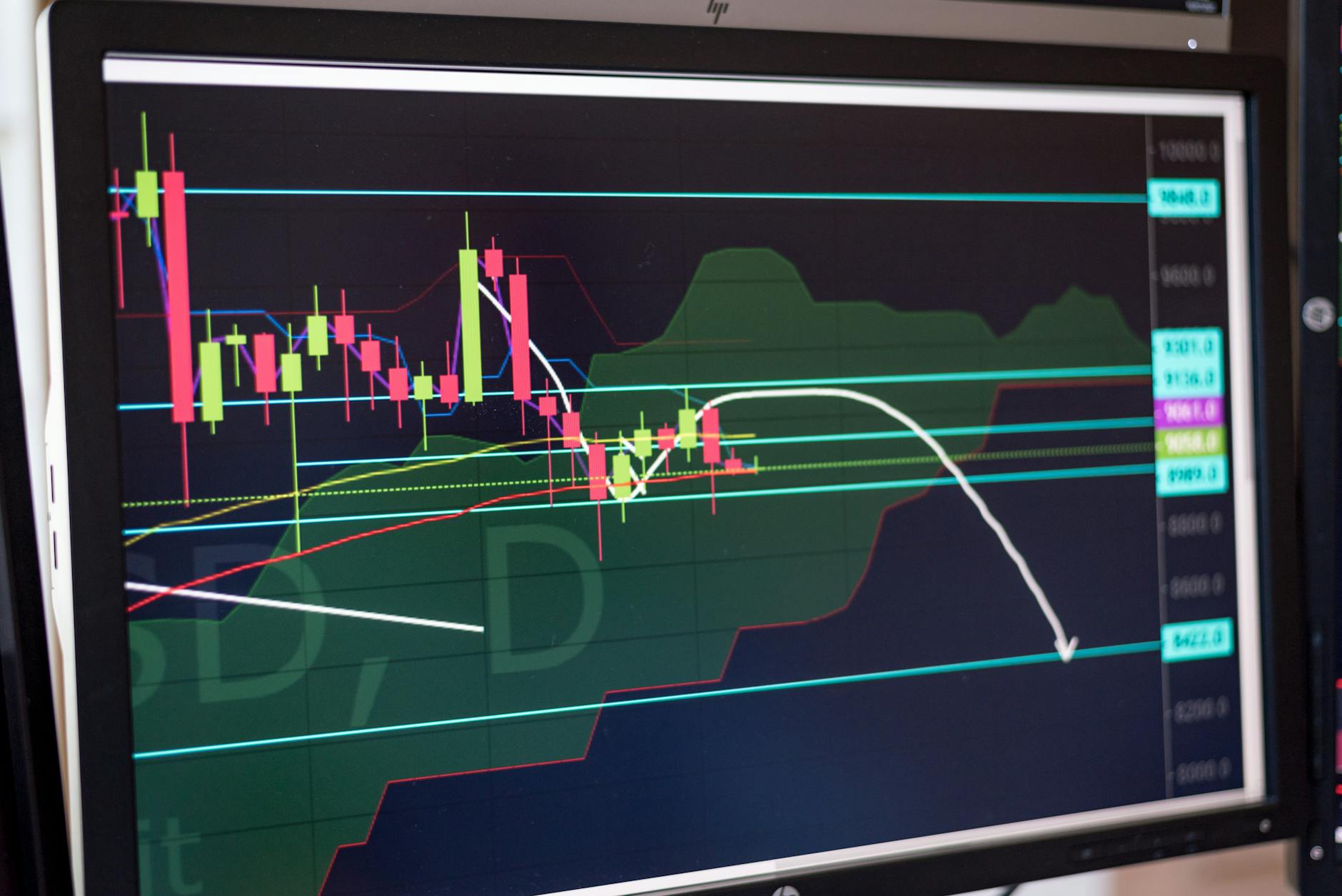
I will be honest with you. A 30 percent market drop in retirement is not a hypothetical scenario. It is a recurring event. It has happened before, and it will happen again. The only real question is whether you will be ready when it does happen.
Don’t look now, but we could very easily be heading for this very scenario in the near future if you pay attention to the economic news.
Most retirees I talk to worry about running out of money. Few worry about sequence of returns risk until it is too late. That is the silent threat. A sharp downturn early in retirement can do more damage than a slow, steady decline over decades. Timing matters more than most people realize.
I have seen people retire with solid portfolios, reasonable withdrawal plans, and good intentions, only to panic when the market drops hard. They sell low, lock in losses, and turn a temporary decline into permanent damage. That is avoidable. Preparation changes everything.
Let me walk you through how I think about this, and how you can set yourself up so a 30 percent drop becomes an inconvenience, not a catastrophe.
Understanding the Real Risk, It Is Not the Drop Itself
The market dropping is not the core problem. Markets recover. They always have. The real issue is what you do during the drop.
If you are forced to sell investments at depressed prices to fund your lifestyle, you are locking in losses. That reduces your future income potential. That is where retirement plans break.
I like to frame it this way. If your portfolio drops 30 percent and you do nothing, you still own the same assets. If you sell during that drop, you now own fewer assets. Your recovery becomes weaker.
So the goal is simple. Avoid selling during downturns.
That sounds easy. It is not. It requires planning before the storm hits.
Build a Cash Buffer That Buys You Time
This is one of the most practical strategies I use, and it works.
I keep a dedicated cash reserve that covers at least two to three years of living expenses. This is not invested in the stock market. It sits in safe, liquid accounts.
Why? Because time is your greatest asset during a downturn.
If the market drops 30 percent, I stop withdrawing from my investment portfolio. I live off my cash reserve instead. That gives my portfolio time to recover without me touching it.
Think of it as your personal shock absorber.
Here is the simple math. If you need $50,000 a year, a three-year buffer means $150,000 in cash. Yes, that feels like a lot sitting on the sidelines. But it is not wasted money. It is insurance.
And unlike most insurance, you will actually use it.
Adjust Your Withdrawal Strategy Before You Need To
Many retirees follow the 4 percent rule. It is a decent guideline, but it is not a rigid law. Markets do not care about your rules.
I prefer a flexible withdrawal strategy.
In good years, I take my full planned withdrawals. In bad years, I tighten the belt slightly. I might reduce withdrawals by 10 to 20 percent temporarily.
This small adjustment can have a massive long-term impact.
Let me give you an example. If your portfolio drops 30 percent and you keep withdrawing the same dollar amount, your withdrawal rate effectively spikes. That accelerates depletion.
If you cut spending modestly instead, you reduce pressure on the portfolio right when it is most vulnerable.
I am not talking about extreme frugality. I am talking about being intentional. Maybe you delay a big trip. Maybe you skip replacing the car for a year. These are temporary moves, not permanent sacrifices.
Diversification Still Matters, But It Is Not Magic
You have heard this before. Diversify your portfolio.
It is still true, but let me be clear. Diversification does not prevent losses. It reduces the severity and volatility of those losses.
A well-diversified portfolio might not drop the full 30 percent when stocks fall. Bonds, cash, and other assets can cushion the blow.
I like to structure portfolios with a mix of equities for growth, bonds for stability, and cash for liquidity.
The exact allocation depends on your situation, but the principle is consistent. You want assets that behave differently under stress.
That said, do not expect diversification to eliminate pain. It is there to make the ride smoother, not painless.
Reframe Market Drops as Opportunities
This is where psychology plays a huge role.
When the market drops, it feels like everything is going wrong. Headlines get dramatic. People panic. That is exactly when discipline matters most.
If you have a cash buffer and a solid plan, a downturn becomes an opportunity.
You are effectively buying future income at a discount.
I have personally rebalanced during downturns. I move money from safer assets into equities when prices are lower. This feels uncomfortable, which is usually a sign you are doing it right. It never gets easy, but when you see the benefits it feels good to know you have some control.
You are not guessing. You are following a strategy.
The key is to make these decisions in advance. During a crisis, emotions take over. Predefined rules keep you grounded.
Control What You Can, Ignore What You Cannot
You cannot control market returns. You cannot predict recessions. You cannot time the bottom.
You can control your spending, your asset allocation, your withdrawal strategy, and your behavior.
Focus there.
I often see retirees obsess over market forecasts. They read predictions, watch financial news, and try to outsmart the system. It rarely works.
What does work is a disciplined plan executed consistently.
If your plan assumes that markets will drop at some point, you are already ahead of most people.
Reduce Fixed Expenses Before Retirement
This is one of the most underrated strategies.
If your fixed expenses are high, you have less flexibility. You need a certain level of income no matter what the market does.
If your fixed expenses are low, you can adjust more easily.
I always encourage reducing debt before retirement. A paid off home, no car payments, minimal obligations, these create breathing room.
Breathing room is powerful.
When the market drops, you do not feel forced into bad decisions. You have options.
Consider a Bucket Strategy for Clarity
I like simple frameworks. The bucket strategy is one of them.
You divide your portfolio into three buckets.
The first bucket holds cash for near-term expenses. The second bucket holds safer investments for the medium term. The third bucket holds growth investments for the long term.
Each bucket has a purpose.
When the market drops, you draw from the first bucket. You leave the third bucket alone to recover.
This structure makes it easier to stay disciplined. You are not guessing where your income will come from. You already know.
Plan for Income Beyond Your Portfolio
Your investment portfolio is important, but it should not be your only source of income.
Social Security, pensions, annuities, and even part time work can provide stability.
I like having multiple income streams. It reduces reliance on market performance.
For example, if a portion of your expenses is covered by guaranteed income, you need to withdraw less from your portfolio during downturns.
That lowers risk significantly.
Some retirees also choose to earn a little income during retirement. Not because they have to, but because it adds flexibility. Plus, it keeps them engaged, which is a nice bonus.
Stress Test Your Plan Before Retirement
Do not wait for a market crash to find out if your plan works.
I like to run scenarios. What happens if the market drops 30 percent in year one of retirement? What if it happens in year five?
If your plan cannot handle those scenarios, adjust it now.
You increase your cash buffer. You lower your withdrawal rate. You might want to shift your asset allocation.
This is where planning pays off.
Manage Your Emotional Response
Let me say this clearly. Your biggest risk is not the market. It is your reaction to the market.
Fear leads to bad decisions. Panic selling is one of the most damaging behaviors in investing.
I have seen it too many times.
One simple tactic I use is limiting how often I check my portfolio during downturns. Watching it daily does not help. It increases stress and temptation to act.
Instead, I focus on my plan. I remind myself why I structured things the way I did.
And yes, I occasionally joke that if I do not look at it, it cannot hurt me. That is not technically true, but it feels better.
Keep Perspective, Markets Recover
History is on your side.
Every major market downturn has eventually been followed by recovery. Some take longer than others, but the pattern is consistent.
If your time horizon extends beyond the next few years, short term declines matter less.
That is why the cash buffer and withdrawal flexibility are so important. They bridge the gap between downturn and recovery.
Final Thoughts, Preparation Turns Fear Into Confidence
A 30 percent market drop after you retire is not a matter of if. It is a matter of when.
You do not need to predict it. You need to prepare for it.
When you have a plan, a cash buffer, flexible withdrawals, and the right mindset, a market drop becomes manageable.
You sleep better. You make better decisions. You stay on track.
And perhaps most importantly, you get to enjoy your retirement without constantly worrying about the next headline.
That is the real goal.
Not avoiding every downturn but building a life that can handle them.
Don’t wait until it’s too late, get your financial house in order today!
Happy retirement planning!
Leave a Reply